




When you’re choosing outdoor or bathroom lights, you’ll often spot an IP rating on the box - something like IP44, IP54 or IP65. It’s one of the simplest specs that makes the biggest difference - especially once the rain starts coming down.
What “IP” Actually Means
IP stands for Ingress Protection - it’s a rating that tells you how well a light fitting is sealed against dust and water. The two numbers after “IP” describe different types of protection:
- First digit → resistance to solid objects (like dust or insects)
- Second digit → resistance to moisture or water
| Rating | Protection Level | Where It’s Used |
|---|---|---|
| IP20 | Keeps fingers and small objects out - no moisture protection | Indoors, dry rooms |
| IP44 | Splash-proof from any direction | Bathrooms, patios under cover |
| IP54 | Dust-resistant and protected from light rain or spray | Semi-exposed outdoor walls, verandas |
| IP65 | Dust-tight and safe from heavy rain or water jets | Fully exposed walls, driveways |
| IP67 | Can handle temporary immersion | Garden or in-ground fittings |
Why It Matters for Lighting
Lighting and weather don’t mix well unless the fitting is built for it. Moisture that seeps into the housing can fog the lens, corrode the LEDs, or trip the circuit - so that small “IP” number can make a big difference in how long your light lasts.
Think of it like this:
- IP44 - great under a roofed area or eave where the rain doesn’t hit directly.
- IP54 - the smarter choice for partly exposed walls or spots that catch wind-blown rain.
- IP65 - the go-to for fully open exposure with direct rain and dust.
Common Scenarios and Ratings
| Area | Minimum IP Rating | Example Situations | Example Products |
|---|---|---|---|
| Indoor living areas | IP20 | Lounge, bedrooms, kitchens | Ceiling lights, pendants |
| Bathroom – Zone 2 | IP44 / IP54 | Vanity mirrors, downlights above sinks | IP44 bathroom downlights, IP54 vanity strip lights |
| Covered outdoor areas | IP44 | Under eaves, porches, patios | Aluxium Dual-Ray solar wall light |
| Partly exposed outdoor walls | IP54 | Carports, breezeways, pergola edges | Aluxium GateMate, Domus MURO ECO-20S |
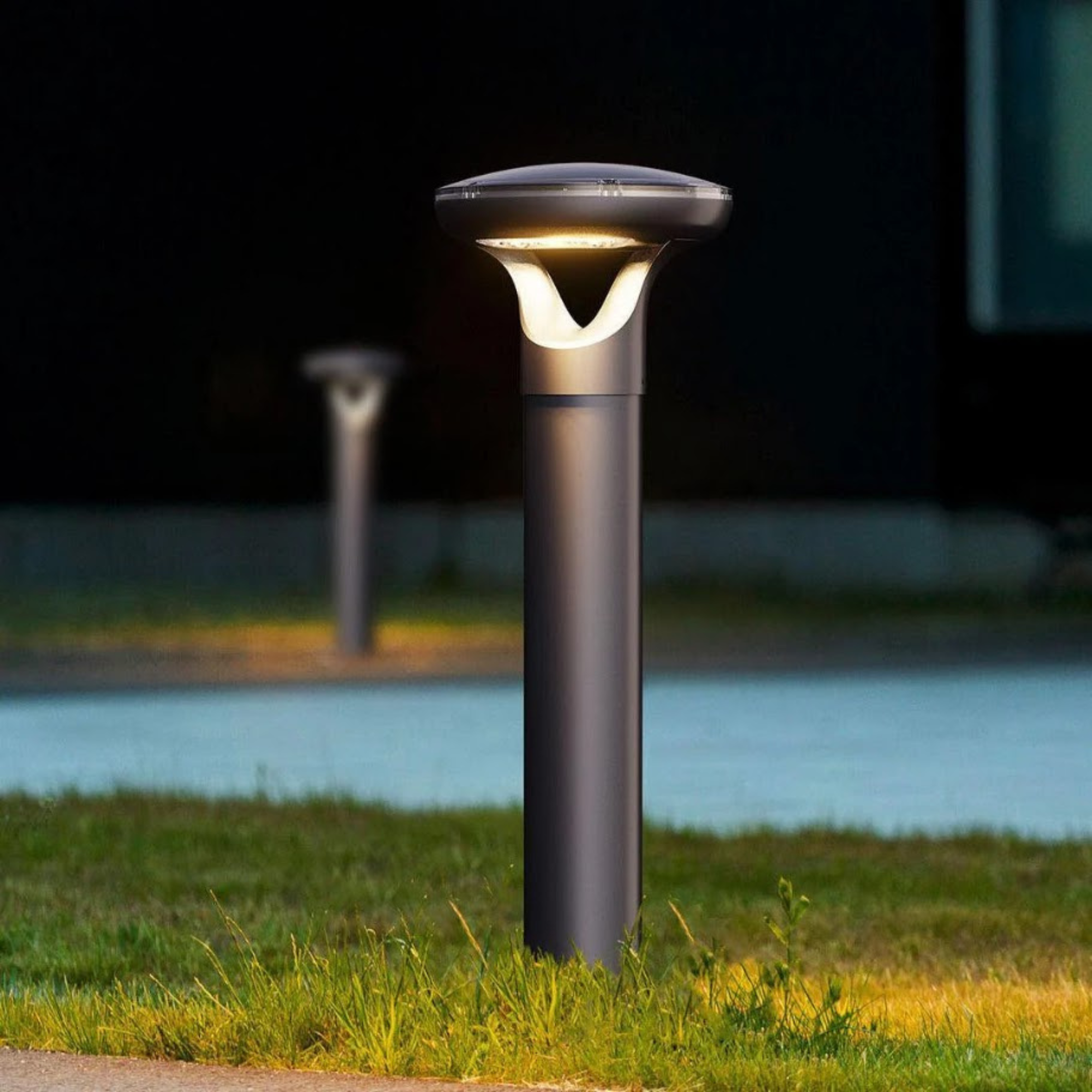
| Fully exposed outdoor walls | IP65+ | Driveways, side gates, garden sheds | Aluxium SunSafe, Vibe Solar Flood |
| In-ground / recessed | IP67 | Pathway lights, driveway markers | Domus Inground LED, Havit Brick Light |
About Rain Cover and Exposure
Rain cover - or “protected exposure” - makes all the difference. Even a small eave or awning can extend the lifespan of your fittings dramatically. If you’re not sure how much direct rain an area gets, step up one IP level to be safe.
- A patio light under cover → IP44 is enough.
- A wall light that catches sideways rain → IP54 is smarter.
- A light in full open weather → choose IP65 or higher.
The Takeaway
If it’s indoors and dry, IP20 is fine.
If it’s under cover but sometimes damp, go IP44 or IP54.
If it’s fully exposed to rain and dust, choose IP65+.
At Ozlighting, every product listing includes its IP rating clearly - so you can choose with confidence and get the perfect balance of performance, protection, and peace of mind.


Leave a comment
This site is protected by hCaptcha and the hCaptcha Privacy Policy and Terms of Service apply.